

Every time someone searches on Google, only a handful of pages win the clicks and this guide shows you how to be one of them. By reading this guidance, you will learn what Search Engine Positioning SEO really means, why it matters and the exact strategies you can use to move your pages higher on the search engine results page.
Did you know 92% of users never scroll past the top results, even small changes in search engine ranking position can lead to big jumps in traffic and click-through rate. That is where search engine positioning comes in.
“The best place to hide a dead body is Page 2 of Google search results.” Popular Saying in Marketers
What Is Search Engine Positioning?
Search engine positioning is about pushing the right pages to the top spots on Google. It is the practice of optimizing individual web pages to rank higher for specific keywords on SERPs. Instead of focusing on your entire website, zooming in on single pages, such as service pages, product pages or blog posts also improves their search engine ranking position.
Why It Matters
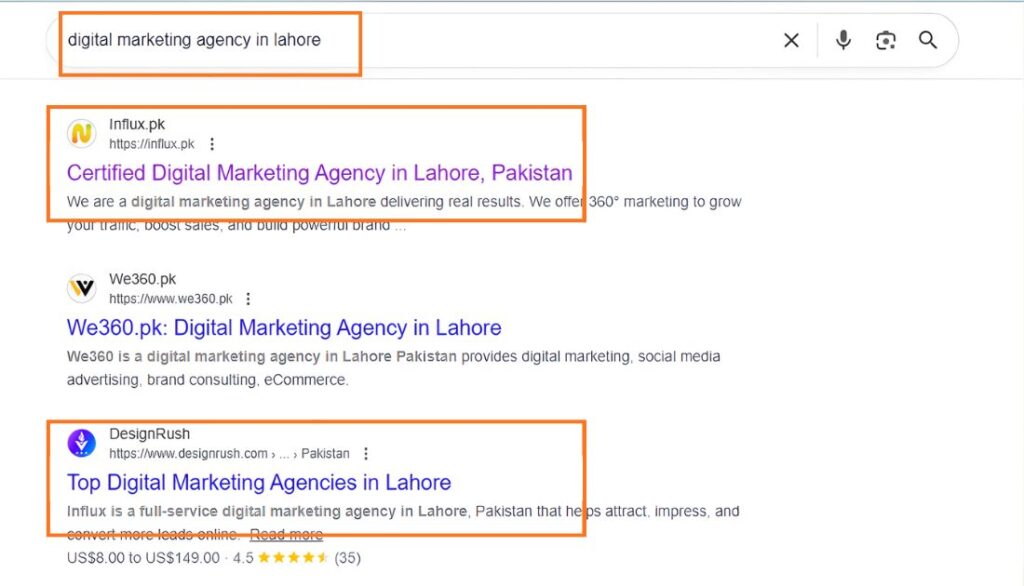
Search engine positioning in SEO is important to help your web pages appear where users actually click. When your pages rank higher on the search engine results page, your business becomes more trusted and more likely to gain organic clicks. Strong search engine positioning increases your chances of appearing in SERP features like featured snippets, People Also Ask boxes and knowledge panels.
Instead of competing only for “blue links,” positioning helps you maximize your presence on SERP and stand out in busy search results. In competitive markets, this focused approach can be the difference between being discovered first or being ignored entirely.
“Google owns ~89.8% of the global search market and remains the dominant engine for organic search visibility.” inner spark creative
How Does Search Engine Positioning Work?
Search engine positioning improves specific pages so they rank higher for the relevant keywords. Search engines evaluate factors such as keyword relevance, user engagement, backlinks, page speed, security and the ability to appear in SERP features, such as featured snippets.
The process starts by choosing the right pages, selecting keywords with real traffic potential, studying search intent with SERP layouts. From there, you optimize content, structure and technical elements to match what search engines and users expect. When done correctly, this focused approach helps your pages climb higher and stay competitive in the search results.
“Every time you move up one position on Google, you can expect around a 32.3% increase in CTR” link-assistant
Search engine positioning versus SEO
Search engine positioning versus SEO comes down to focus and speed. SEO improves your entire website over the long term through keyword research, content creation, technical SEO and link building. Search engine positioning, on the other hand, zooms in on specific pages and target keywords to improve their search rankings faster.
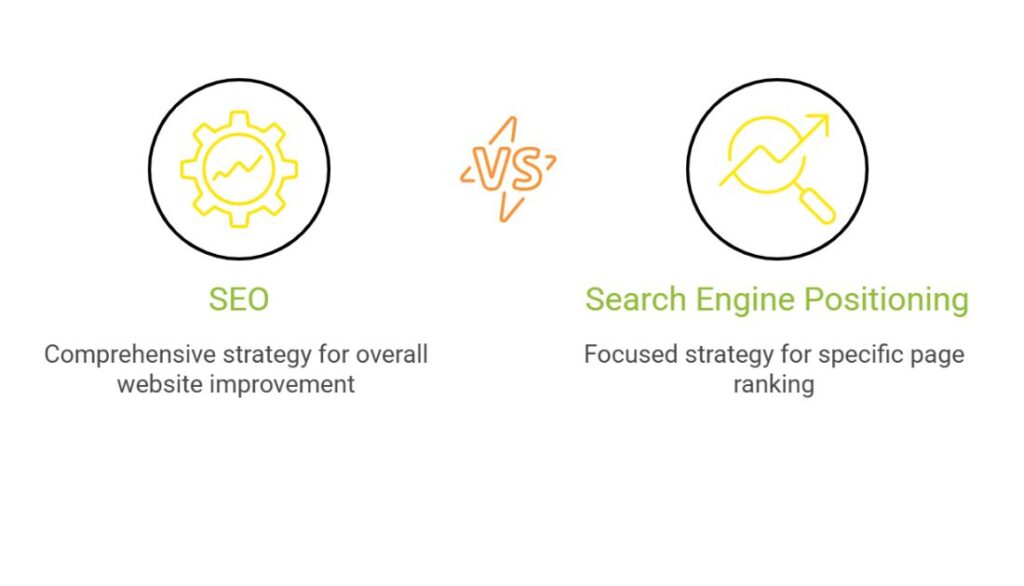
It uses the same SEO techniques but applies them with a narrower scope. Think of SEO as building a strong foundation, while positioning fine-tunes key pages to win visibility, clicks and SERP features when results are needed sooner.
10 Best Practices for Search Engine Positioning Improvement
Search engine positioning SEO becomes powerful when you apply the right page-level actions. This section breaks down the exact practices that help pages rank higher and sustain position. You will learn how small, focused improvements can lead to big gains in visibility and clicks.
1. Audit Site Regularly
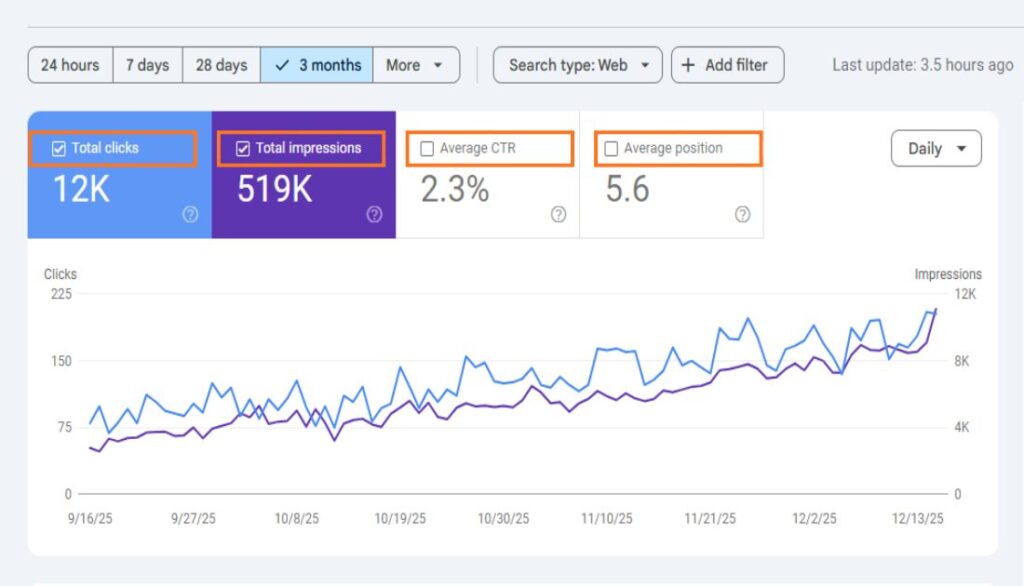
Regular website audits are essential for keeping your web pages performing at their best in search engines. By checking metrics like clicks, impressions, CTR and average position in Google Search Console or SEO tools, you can track how your focus pages rank and identify areas for improvement.
Audits help uncover technical issues such as slow loading, mobile problems and security gaps. Also, content gaps such as outdated data, weak keywords or missing actionable insights. Tools like Screaming Frog, Semrush, Ahrefs, WebCEO make it easy to perform detailed audits, monitor site health and regularly optimize pages, ensuring your search engine positioning stays strong over time.
2. Refresh Existing Content
Refreshing existing content is essential to maintain and improve your search engine rankings. Pages that already rank on the first or second page of Google are considered relevant, but updating them with fresh information, new keywords, improved readability, images and videos can further boost their performance.
Use tools like Google Search Console, Semrush SEO or SurferSEO to identify pages that need attention, track metrics such as clicks, impressions, CTR, average position and then optimize for Featured Snippets or People Also Ask sections. Regularly revising outdated content, fixing broken links, enhancing UX, aligning with current search intent ensures your content stays valuable, trustworthy and competitive in search results.
3. Create User-centric Content
Creating user-centric content is key to boosting engagement, reducing bounce rates and improving search engine rankings. High-quality content answers user questions, solves problems, aligns with search intent and keeps visitors on your page longer, signaling a positive user experience to Google.
Tools like Surfer AI and content calendars can help plan, research, optimize articles efficiently, ensuring your content is informative, well-structured and unique. By combining expert writing with AI insights, integrating relevant keywords, continuously analyzing competitors, your pages become more valuable, shareable and positioned to rank higher in search results.
4. Focus on On-Page SEO
Focusing on on-page SEO is essential because it lays the foundation for higher search engine placement and better user experience. Simple actions like optimizing titles, headers, meta information and content relevance can make a big difference in how Google views your pages.
By improving these on-page elements, you make it easier for search engines to understand your content, match it to user intent and set the stage for more advanced SEO strategies down the line.
5. Optimize for Organic CTR
Optimizing for organic CTR is crucial because it shows Google which results users find most relevant, helping your pages climb higher in search rankings. Focus on crafting unique, engaging title tags, meta descriptions that align with search intent, include target keywords naturally and stay within character limits to avoid truncation.
Adding clear, compelling calls to action, highlighting key points, keeping descriptions attractive yet concise encourage clicks, boost user engagement and signal to search engines that your content is valuable.
6. Establish Topical Authority
Establishing topical authority on your website is key to becoming a trusted resource in your niche and helping your pages rank higher in search results. Create a central “pillar” page and link it to supporting articles, covering all aspects of a topic with comprehensive, user-focused content.
Use strategic keyword research, understand search intent and build a website structure that shows depth and expertise. Consistently publishing valuable content across related subjects signals to both users and search engines that your website is an authoritative source, enhancing visibility and trust.
7. Use Strategic Internal Links
Using strategic internal links is essential for boosting your website’s search engine positioning and user experience. By linking high-authority pages to newer or underperforming pages, you pass “link equity” and help Google understand the relevance and context of your content.
Use descriptive, keyword-rich anchor text, link contextually and avoid overloading pages with too many links. Regularly update old content with new internal links, fix broken links and create topical clusters to guide both users and search engines. This approach not only improves rankings but keeps visitors engaged and reinforces your website’s authority.
8. Optimize for SERP features
Optimizing for SERP features goes beyond traditional rankings and helps your content stand out in search results. By targeting featured snippets, “People Also Ask” boxes, image packs, videos, knowledge panels, you increase visibility and attract more clicks.
Match your content format to the SERP feature, use concise answers, bullet lists or definitions as needed and optimize product listings for Google Shopping. This approach lets you capture prime SERP real estate, drive organic traffic and improve your search engine positioning even if you are not in the top organic spot.
“Featured snippets can increase click-through rate to ~42.9% when combined with top ranking” All in One SEO
9. Don’t Forget Your Technical SEO Basics
Don’t ignore technical SEO basics, as they form the foundation of effective search engine positioning. Even the most valuable content can struggle to rank if your site is slow, not mobile-friendly or fails Core Web Vitals.
Focus on improving page speed, device responsiveness, secure connections and overall user experience. Strong technical SEO not only enhances individual page rankings but also improves your website’s performance in search results, making your content more visible and accessible to users.
10. Don’t Let LLM Models Ignore Your Brand.
To ensure LLMs recognize and cite your brand, you need a strategic approach that goes beyond traditional SEO. Focus on building AI-trusted authority through structured, expert content like entity-based, detailed guides, FAQs, data-rich resources, while securing third-party mentions on high-trust websites, review platforms and community forums.
Optimize your digital presence with schema markup, consistent brand information and AI-accessible content so models can accurately understand and reference your brand. Combining multi-platform authority, user-generated content and technical accessibility ensures your brand appears in AI-generated answers, increasing visibility, credibility and high-intent traffic.
How To Do a Search Engine Position Analysis
Search engine positioning SEO improves when you track what is working and fix what is not. To do a search engine position analysis, you need clear data on how your pages rank and change over time. Tools like Semrush Position Tracking help you compare keyword rankings, visibility and competitors in the SERPs.
Google Search Console shows real performance data, including clicks, impressions, average CTR and average search position in google. Together, these tools help you spot ranking drops, find growth opportunities and refine your search engine positioning strategy with confidence.
Benefits of Search Engine Positioning for Small & Medium Businesses
For small and medium businesses, search engine positioning delivers targeted organic traffic that is more likely to convert into leads and sales. Ranking key pages higher improves brand visibility and builds trust, making your business appear as an industry leader.
It is also cost-effective, helping you gain a competitive edge without relying heavily on paid ads. By matching pages with search intent, positioning supports steady growth and long-term success.
How To Choose A Search Engine Positioning Service Provider
Choosing the right SEO provider for search engine optimization placement can make or break your online growth. To select the best provider, focus on proven experience and advance SEO strategies. Define your goals, review case studies and ensure their strategies align with your business needs.
Ask about reporting, content creation and how they measure success. A reliable provider will create a customized approach, prioritize long-term growth and align with your target audience. For businesses looking for trusted SEO Services in Pakistan, Influx.pk stands out as a reputed Digital Marketing Agency in Lahore, a results-driven partner to improve your search engine positioning.
Frequently Asked Questions
1. What Are The 4 Types Of SEO?
The four main types of SEO are On-Page SEO, Off-Page SEO, Technical SEO and Local SEO.
2. What Is The 80/20 Rule For SEO?
The 80/20 Rule means 80% of your SEO results come from 20% of your efforts. Focus on high-impact pages, keywords, backlinks that drive the most traffic and conversions, rather than spreading resources thin across low-performing elements.
3. What Are The 7 Positioning Strategies?
The seven common positioning strategies are: By Product Attributes, By Price, By Use, By Product Class, By Product User, By Competitor and By Cultural Symbols. These help brands stand out and connect with their ideal audience.
4. Which SEO Platforms Offer The Best Analytics For Search Engine Positioning?
Top SEO platforms for search engine positioning analytics include Semrush, Ahrefs, Google Analytics and Google Search Console. They provide data on keyword performance, backlinks, website health, competitor analysis, and SERP tracking.